
Table of Contents
ToggleIntroduction to SEO for E-Commerce: How to Get Organic Sales Without Paid Ads

In 2026, organic ecommerce sales in India are becoming a priority for brands that want sustainable growth without rising ad costs. With increasing competition and higher CPCs, Indian e-commerce businesses are focusing on SEO-driven strategies to generate consistent organic ecommerce sales in India without depending on paid ads.
The person searching “best runners under ₹5000” or “buy organic skincare products online” already has the intention and ability to purchase. These types of searches are extremely valuable for brands looking to increase organic e-commerce sales in India, as they bring ready-to-buy customers directly to the website.
With Tanvi’s Digital Hub, online businesses across India can transition from an ad-dependent model to a sustainable organic growth approach. This is achieved by fixing technical SEO issues, improving product and category page optimization, and creating content that ranks in both traditional Google results and AI-driven SERPs—helping brands consistently grow organic e-commerce sales in India.
E-commerce SEO without using any paid advertising options focuses on:
- Keyword analysis with a strong focus on buyer intent
- Optimization of product pages and category pages
- Technical SEO for speed, mobile performance, and site health
- Content and marketing built around a clear value proposition to establish trust
Together, these strategies create a powerful SEO foundation that helps e-commerce brands generate organic e-commerce sales in India month after month—without increasing ad spend.
Ecommerce SEO Without Paid Ads: A Sustainable Growth Model
The way people search in 2026 has undergone a significant transformation. Search now happens through Google AI Overviews, voice search, and AI assistance in the form of ChatGPT, Gemini, and other advanced AI technologies. If your online shop is not SEO search-optimized as part of a strong digital marketing service, you will not appear in today’s evolving search environment.
Search engines evaluate websites based on the following key factors:
- Experience (real usage, case studies, and proof of results)
- Expertise (topical authority within your niche)
- Authoritativeness (brand mentions and quality backlinks)
- Trustworthiness (secure, fast, and user-friendly websites)
SEO for online shops is no longer optional. Search engine optimization is a long-term digital marketing service investment that compounds over time. Paid advertising, on the other hand, stops delivering results the moment you stop paying for it.
Based on actual projects undertaken at tanvidigihub.com, we’ve observed that online stores focusing on SEO as a core digital marketing service consistently experience:
Lower customer acquisition costs
Higher trust compared to paid ads
Better repeat purchase rates
Long-term sales stability
Consumers today thoroughly research products before making a purchase, which is why SEO stands out as one of the most powerful and sustainable digital marketing services for online stores.
Ecommerce SEO Strategy for Organic Sales That Actually Converts
- Firstly, there is high-quality traffic from SEO. People searching for things online have active intent to find answers or products.
- Secondly, SEO enhances the credibility of a brand. Page one search results demonstrate dominance in the industry. Consumers believe in the results that appear organically on the search engine results pages
- Third, SEO enhances the experience for users. SEO-optimized product pages are faster, mobile-friendly, and directly route the customer to the purchase path.
- Fourth, SEO enhances AI discoverability in search results. Your brand gets visibility in AI answers, features, and voice searches through optimized, well-structured content.
- Finally, SEO is cost-effective. Once the rankings are locked in, the store itself continues to bring in sales revenue with no daily ad spend.
- These reasons make the SEO for e-commerce websites even without the help of advertising a key service at the Tanvi’s Digital Hub.
Keyword Research for Organic E-Commerce Sales
“The backbone of any kind of e-commerce SEO is actually keyword research.” You need to optimize for keywords that have buying intent or transactional intent rather than just traffic intent. A data-driven ecommerce SEO strategy for organic sales focuses on buyer-intent keywords that directly contribute to revenue, not just traffic.
- Effective keyword types are:
- Product-based keywords (e.g., “wireless earbuds under 3000”)
- Category keywords (e.g., “men’s formal shoes online”)
- Comparison keywords (e.g., “Nike vs Adidas running shoes”)
- Informational keywords that support buying decisions
We would advise using the likes of Google Search Console and Google Analytics to uncover the actual search terms that users already use to search for your product.
On-Page SEO Optimization for Product & Category Pages
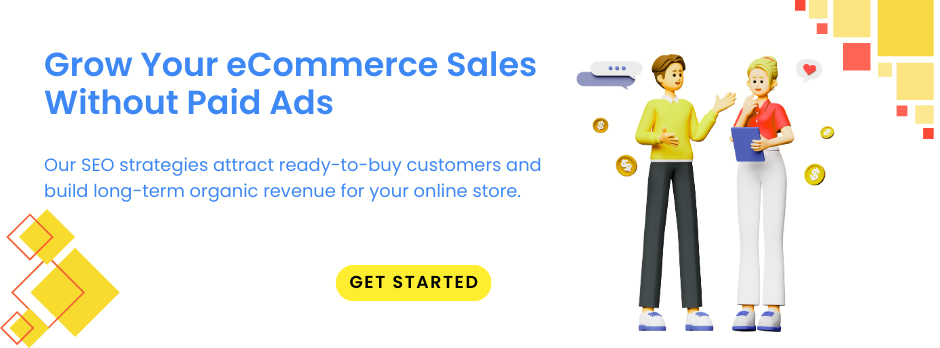
This on-page optimization framework answers one of the most common questions store owners ask: how to get organic sales for ecommerce through SEO rather than ads.
Being strong in on-page SEO means the
- SEO-friendly product names with major keywords
- Crafted product descriptions for customers
- Optimized Meta Titles & Meta descriptions
- Use of H1, H2, and schema markup appropriately
- Images that are of high quality and have descriptions of their content
This on-page optimization framework answers one of the most common questions store owners ask: how to get organic sales for ecommerce through SEO rather than ads.
Platforms like Shopify and WooCommerce support SEO, but configuration matters.
In real client cases, we’ve seen slow-loading stores lose up to 60% of potential organic traffic. Fixing technical SEO is often the fastest win for organic e-commerce traffic growth.
SEO for E-Commerce Websites: How Search Engines Rank Online Stores
Technical SEO ensures search engines can crawl, index, and rank your store efficiently.
Key technical SEO elements include:
- Fast page load speed
- Mobile-first optimization
- Secure HTTPS structure
- Clean URL architecture
- Proper XML sitemaps and robots.txt
Platforms like Shopify and WooCommerce support SEO, but configuration matters.
In real client cases, we’ve seen slow-loading stores lose up to 60% of potential organic traffic. Fixing technical SEO is often the fastest win for organic e-commerce traffic growth.
Technical optimization is a core foundation of SEO for e-commerce websites and directly impacts rankings, crawlability, and conversions.
Content Marketing for E-Commerce SEO
Content represents the link between search and purchasing. Blog posts, purchasing guides, FAQs, and comparison pages assist in helping visitors trust the site before the purchase.
High-performing content ideas include:
- “How to choose the best…” guides
- Product comparisons
- Industry trends
- Use-case blogs
- FAQs optimized for AI answers
Such is where the role of (Answer Engine Optimization) or (GEO), (Generative Engine Optimization), comes in. Writing in a clear, factual, and authoritative style is better optimized to be selected by AI engines like ChatGPT or Gemini.
On https://tanvidigihub.com/, the strategies for content are aimed at ranking on Google and being reflected in AI answers.
Link Building & Authority Signals
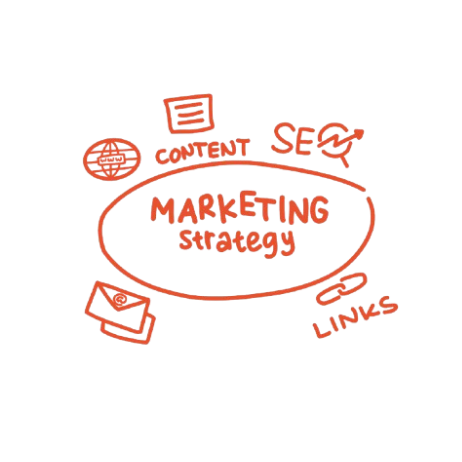
Backlinks remain one of the strongest ranking factors. However, quality matters more than quantity.
Effective link-building strategies include:
- Guest posts on niche blogs
- Brand mentions without links
- Influencer collaborations
- PR features and reviews
Authoritative backlinks signal trust and expertise. Combined with strong content, they position your e-commerce brand as an industry leader.
Latest SEO Trends & Insights for E-Commerce in 2026
In 2026, the job of e-commerce SEO optimizers is no longer to get product pages on Google or answer engines, marketplaces, or voice search results. With the changing algorithm of smarter engines and the more educated buyer, the emphasis is on experience, relevance, and trust for organic sales without the expenditure of money on advertisements. Some of the significant trends related to e-commerce SEO in 2026 are listed below:
1. AI-Powered Search Results & AEO (Answer Engine Optimization)
Search engines are becoming more and more reliant on AI. This is reflected through the use of AI summaries, feature answers, and conversational searches. Google’s “answer boxes” feature content that is relevant to a searcher’s intent and that presents the content in a simple, organized fashion.
What this means for E-commerce:
- Optimize product and category pages for questions, comparisons, and use cases
- Add FAQ sections using schema to increase chances of appearing in AI answers
- Write content that sounds human, helpful, and conversational, not robotic
- Make the content sound human, informative, and conversational, not robot-like
Brands who are adaptive in AEO can get noticed, even if the users haven’t click blurred blue links.
2. Experience-First SEO
“In 2026, user experience is SEO. Google favors sites that load quickly, have a seamless experience, and work beautifully on mobile devices.” “In fact, the speed at which your site loads is
The key factors that influence experience are:
- Increased loading speed for pages, particularly product pages
- Optimal navigation and filtering methods for products
- Mobile first design and thumb-friendly design
- Low bounce rates and increased engagement metrics.
E-commerce sites that specialize in shopping experience optimization are always performing better than those that are dependent upon keywords only.
3. SEO of Product Pages is More Valuable Than Blog SEO
Product page SEO can sometimes
Although blog pages remain important, today product pages, as well as pages for categories, account for the majority of organic sales. Search engines value pages that allow users to make purchases quickly.
Top ranking pages for a typical consumer goods product might include:
- Distinctive and benefitted-product descriptions
- Reviews, Q&A, and user content
- Comparison tables and trust badges
- Optimized images with descriptive alt attributes.
“One of the ways we tackle the challenge of traffic is by focusing on well-optimized pages for products, which can
4. Semantic SEO & Search Intent Mapping
Exact keyword matching is outdated. Google now understands context, meaning, and intent behind searches.
Successful e-commerce SEO strategies:
- Use semantic keywords and related phrases naturally
- Map keywords to informational, commercial, and transactional intent
- Create content clusters instead of isolated pages
For instance, instead of competing on the category of “running shoes,” brands compete on the topics “best running shoes for beginners,” “running shoes for flat feet,” and “how to choose running shoes.”
5. Voice Search & Conversational Queries
Due to the widespread adoption of smart assistants and voice-enabled devices, voice search increases steadily in 2026.
To work optimally with voice search:
- Target long-tail keywords with questions included
- Answer each question in about 40-60 words.
- Target natural language such as “best budget skincare products online”
Voice-optimized pages assist brands in attracting high-intent local and mobile traffic.
6. Visual Search and Image Optimization
People now search through images more than ever before. Such platforms as Google Lens greatly influence purchases.
E-commerce brands should:
- Optimize image filenames and alt text with keywords
- Use high-quality, original product images
- Add structured data for products and images
Visual search optimization can lead to products being included in image-based paths
7.Trust, Reviews & E-E-A-T Signals
Back in 2026, Experience, Expertise, Authoritativeness, and Trustworthiness (E-E-A-T) remain heavy priorities by Google for e-commerce websites.
To further strengthen trust signals:
- Showcase real customers reviews and testimonials
- Add clear return, refund, and shipping policies
- It shows off brand credibility, certifications, and contact information.
Trust-optimized websites tend to rank higher and convert visitors to buyers with more effectiveness.
8. Zero-Click Searches & Brand Authority
More searches don’t result in clicks anymore because of featured snippets and AI summaries. It’s not just about traffic anymore; it’s about brand visibility and authority.
Successful brands:
- Do optimize with Snippets, FAQs, and Rich Results.
- Build consistent brand mentions across platforms
- Focus on long-term authority, not short-term traffic.
Being visible in zero clicks still has an impact on purchasing decisions downstream.

Common Challenges in SEO for E-Commerce
Although it has many benefits, SEO for e-commerce sites faces some issues.
Typical problems include:
- Similar Product Content
- Poor Site Reliability
- Thin category pages
- Overdependence on ads
- Mobile Users Ignore
These issues can be resolved using a proper SEO roadmap. The importance of early investment in SEO by businesses lays a huge advantage over those who are still relying on quick advertisements.
Conclusion: Build Organic Sales That Last
Ecommerce SEO is not a marketing tool—it is an investment for long-term growth for any brand seeking predictable and stable sales. While paid marketing may bring instantaneous website traffic through online advertising, it is expensive, and its flow ceases the moment the payment is stopped. Organic ecommerce SEO, without continuous investment in online advertising, is a far more effective approach to achieving long-term online recognition and sales by strengthening your ASDM-driven online presence every day and every month.
In increasingly saturated and competitive markets, ecommerce websites that invest in organic SEO gain an unequivocal edge. This advantage comes from reduced dependency on ecommerce advertising and the creation of long-term online assets—an approach strongly emphasized by the Ahmedabad School of Digital Marketing (ASDM)—that continue to grow and compound value with each passing year.
If you are seeking tangible and measurable ecommerce growth through online sales and sustainable online success long after 2026, Tanvi’s Digital Hub is an ASDM-aligned option to unlock a powerful organic sales engine for your ecommerce website.
You can generate sales without paid ads by using eCommerce SEO. This includes optimizing product pages, category pages, site speed, mobile usability, and targeting buyer-intent keywords that customers search on Google before purchasing.
Yes. Paid ads stop delivering results once you stop spending, while SEO builds long-term visibility and recurring traffic. Over time, SEO delivers higher ROI and lower customer acquisition costs for eCommerce brands.
The most important factors include buyer-intent keyword research, optimized product descriptions, fast page loading speed, mobile-friendly design, structured data, and high-quality content that builds trust with users and search engines.
Absolutely. Even small or new eCommerce stores can grow organically by focusing on niche keywords, optimizing categories and products properly, creating helpful content, and fixing technical SEO issues early.